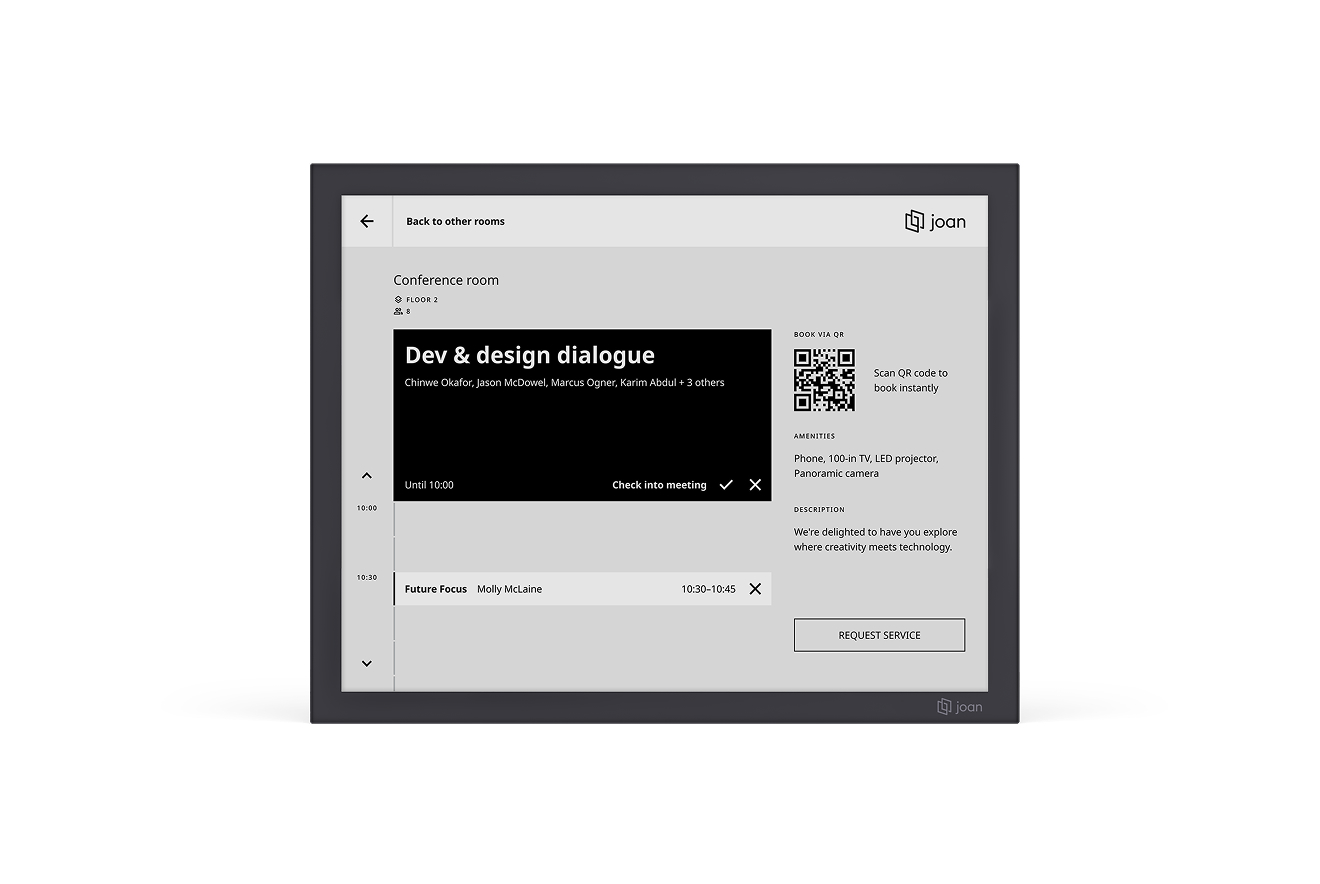
Long-running E Ink product work with Visionect, from Wemar Nautipad and Geoffrey to later Joan and CMS display-unit applications.
About
Visionect is a long-running product relationship rather than a single isolated engagement. I was one of the first 10 people hired or contracted, left after roughly two years, and kept a warm consulting relationship with them over the years.
The common thread is E Ink product software: applications running on constrained display hardware, device content workflows, platform evolution, and integrations around Visionect's device ecosystem.
Wemar Nautipad
Wemar Nautipad was a first-version marine instrument and marine bus proxy server running on proprietary Visionect E Ink tablet hardware. I was the sole implementor and architect of the application.

The application combined a Backbone frontend, REST web services, a multithreaded Python backend, Tornado, SQLite, and support for NMEA and SEATALK protocols.
Visionect Geoffrey
Geoffrey was an E Ink restaurant/bar menu and ordering system with tablet UI, business analytics, POS integrations, and a WYSIWYG administration interface. I was the senior developer for the application part and implemented or supervised the system functionality.

The stack included Backbone, CoffeeScript, Sass, HamlCoffee, Django/Python REST services with Tastypie, POS integration middleware, Buildout, and Fabric deployment scripts.
Visionect Joan
Joan is Visionect's workplace platform for rooms, desks, assets, visitors, and digital signage. My recent work focused on application development on the Joan display unit itself.
This was low-power embedded E Ink display application work using Duktape and a stripped-down React port, descended from the VTablet platform lineage behind earlier Visionect products.
Visionect CMS / Place & Play CMS
Visionect CMS / Place & Play CMS is part of Visionect's E Ink digital-signage software offering. I did not build CMS, VSS, or firmware; my work was maintaining and developing the display-unit application responsible for showing managed content on the device.
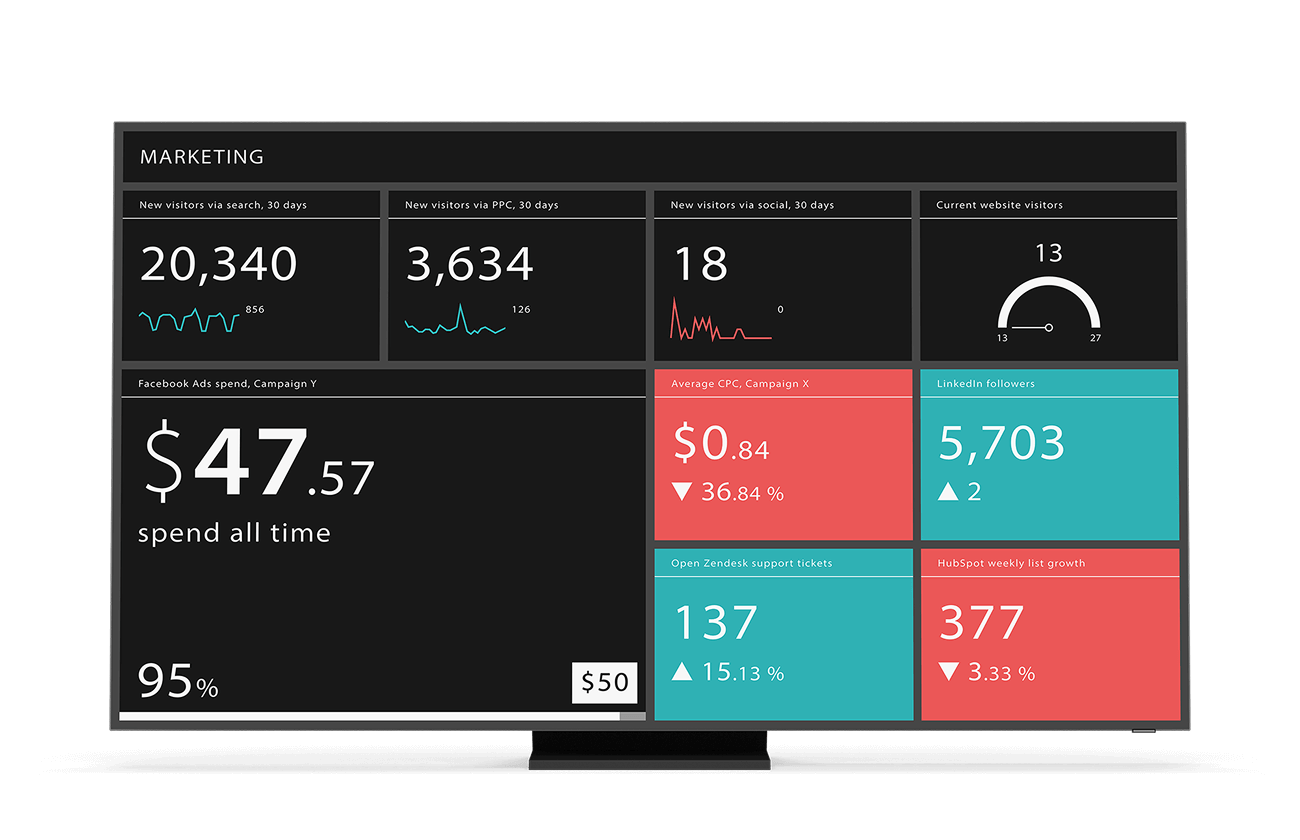
That work sits at the last mile of the product: a constrained embedded app that turns managed content into what appears on the physical E Ink display.
Supporting open source
PyNMEA was supporting protocol work used by Wemar Nautipad. I expanded the library with SEATALK support via a Gadgetpool USB NMEA/SEATALK interface and TMQ-flavored NMEA support.
Joan websiteVisionect softwareWemar Nautipad archive entryVisionect Geoffrey archive entryPyNMEA archive entry